You’ve made it through the summer PDs, untangled your first set of math manipulatives, and maybe even remembered all your login passwords. Now what?
Whether you’re new to Illustrative Math® or looking to sharpen your setup, here are four tools that will make your year smoother,
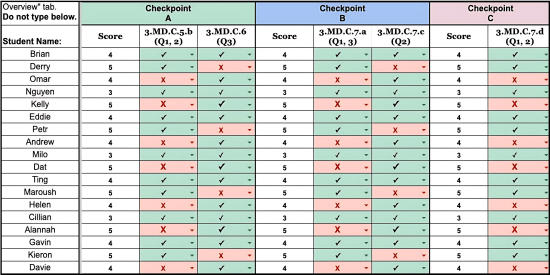
Secret Weapon #1: IM Assessment Tracker- More Insight, Less Guesswork 📊
This free Google Sheet tracks every checkpoint and end-of-unit assessment from Grades 1–5. You can tag mastery by standard, see class trends at a glance, and even link student work samples. It’s simple, shareable, and way more organized than that “Assessment Data” folder collecting digital dust in your drive. Grab the free tracker here.
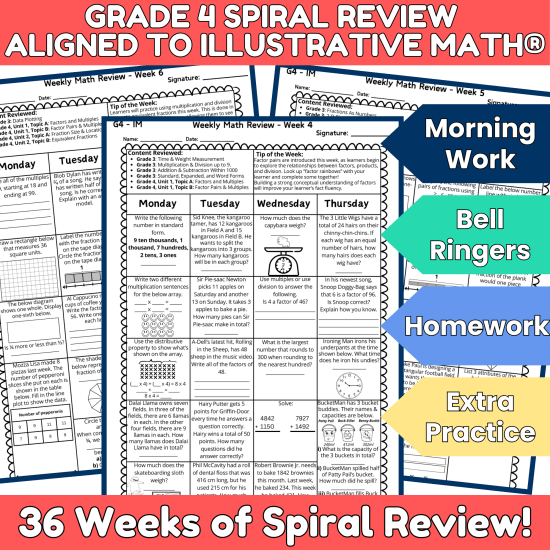
Secret Weapon #2: IM-Aligned Spiral Reviews-Retrieval Practice To Start Each Day 🔁
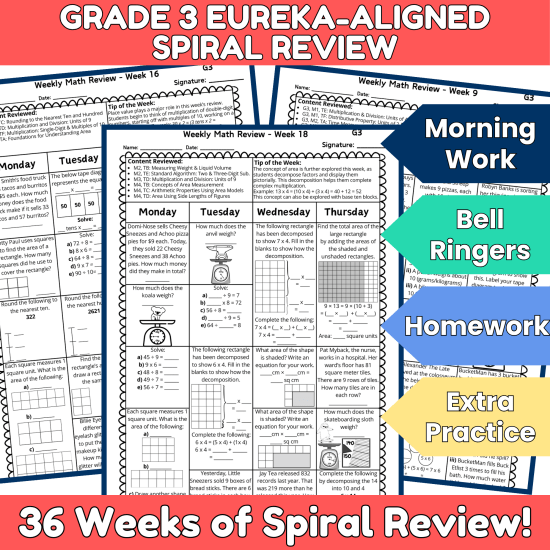
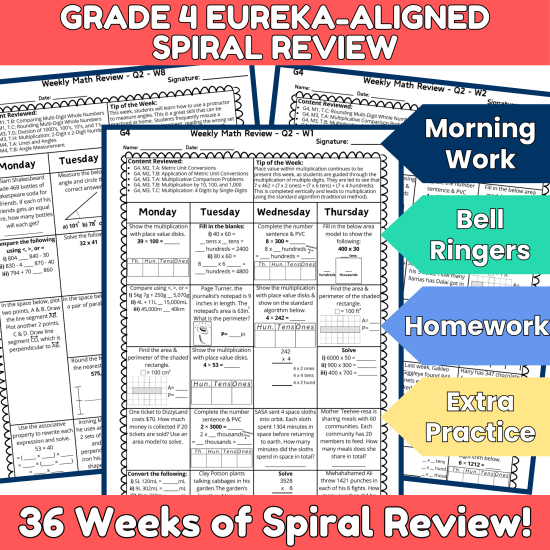
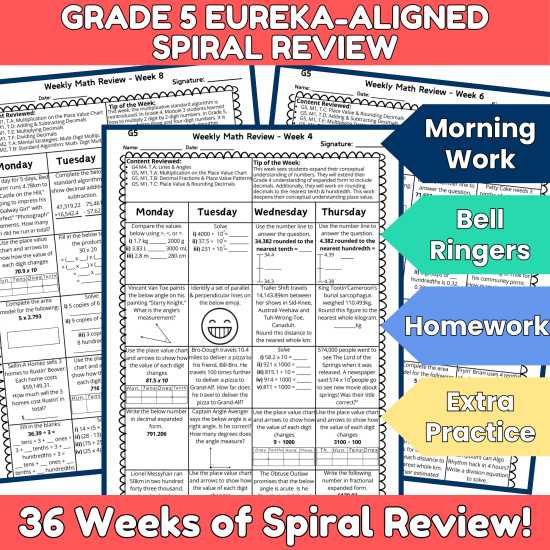
These no-prep warm-ups are built to match your IM unit pacing. Each week includes new content + a handful of throwback questions from earlier units to keep concepts fresh.
🧠 Why it works: Retrieval practice and spaced review are two of the most research-backed ways to boost retention. When combined, they’re like the peanut butter and jelly of long-term learning. Read more about spaced retrieval practice in the IM curriculum here. Find the IM-aligned Spiral Review packs here.
Secret Weapon #3: Zearn – Your Digital Co-Teacher 🖥️
Zearn isn’t officially aligned with IM, but it pairs surprisingly well in a flipped model. Students preview a concept at home (or independently), so your small groups can jump straight into discussion, problem-solving, or reteaching. Alternatively, use Zearn for intervention students.
Just be sure to set clear expectations. Keeping students on the right lesson can be tricky. I gave them freedom to work ahead (less work later = big win), and tied progress to our Classroom Economy. That combo kept things running smooth(ish).
👉 Check out Zearn.organd this correlation chart to help it fit your IM pacing. Note: I’m not endorsed by Zearn. I just think it’s outstanding!
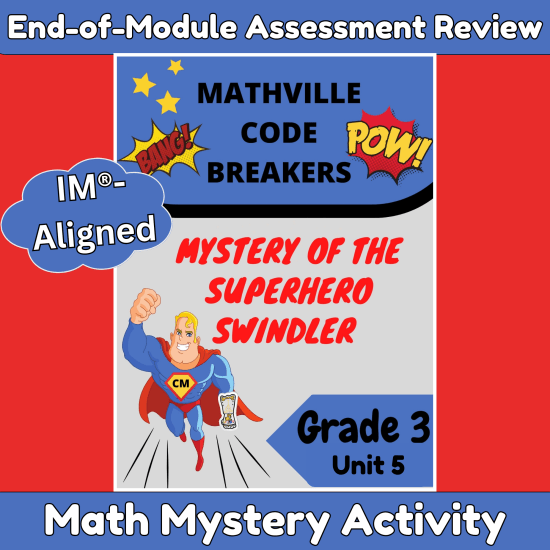
Secret Weapon #4: Math Mysteries- Unit Assessment Review With Maximum Engagement 🕵️♀️
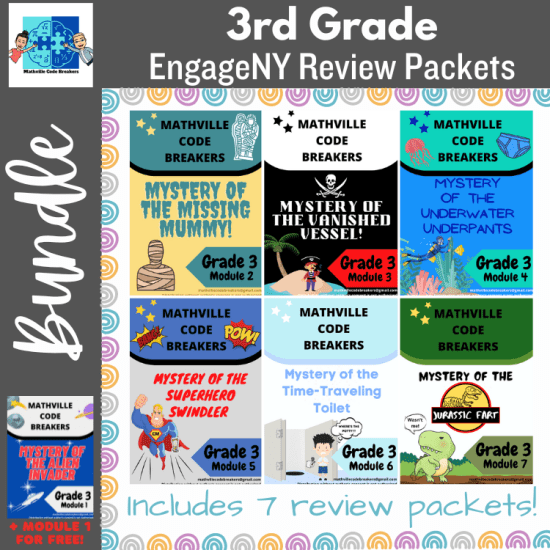
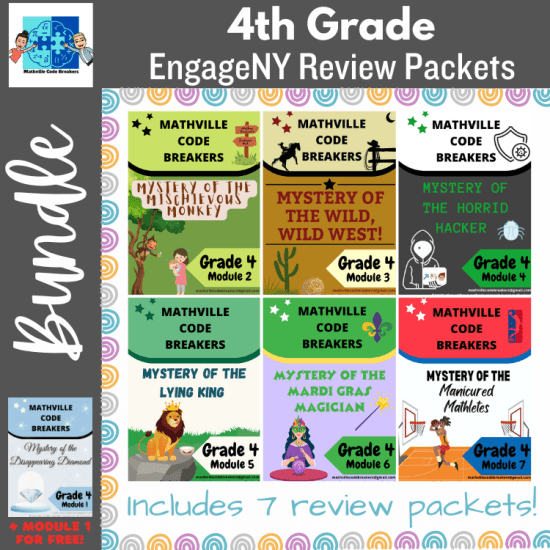
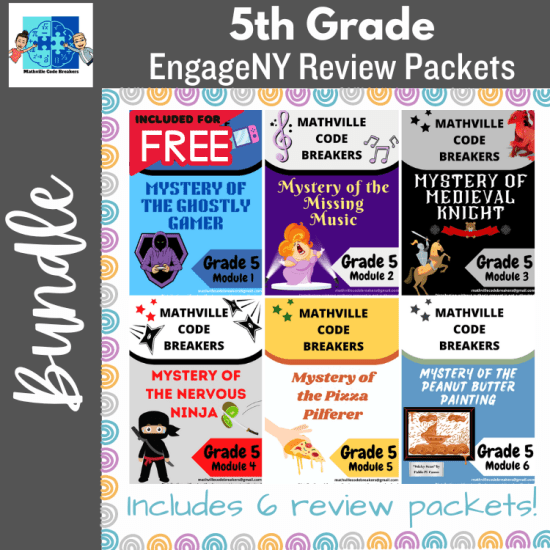
Each unit-aligned math mystery blends rigorous problem-solving with a story-driven twist: a circus thief, a missing wand, a rogue robot. Students solve clues to narrow down suspects and crack the case—no re-teaching required.
Each mystery takes about three hours total, making it ideal for test prep, end-of-unit review, or adding some math-themed drama to your Friday plans.
Honorable Mention: Prodigy- Your Secret Weapon for State Test Prep 🎮
Yes, it’s fun. Yes, it’s gamified. But when used to target state standards and review old concepts- not just for free play, it’s a powerful way to reinforce learning and boost state testing scores.
Set clear goals, assign targeted practice, and use the reporting to guide real instruction. Students love it, and it’s easy to implement. Don’t walk up the down escalator when it comes to math review. Let the kids play and learn at the same time.Check out Prodigy here.
Final Thoughts: Stack Your Toolbox Early 🛠️
No one tool does it all, but this lineup can seriously lighten your load. ✅ Data? Tracked. ✅ Content? Reviewed. ✅ Unit Assessments? Crushed. ✅ Kids? Engaged. ✅ You? Still sane by October.
Need More Support? Get in Touch 📚
If you’re in a leadership role and want to pilot the above resources in your school/district, fill out this quick form. We’ll follow up with a Google Drive link with the products. 👉 Note: The above form is just for instructional leaders (principals, coaches, curriculum directors, etc.).
If you’re a classroom teacher, scroll to the bottom of each product category page to grab free samples and try them out right away.
Whether you’re brand new to Eureka or have a few years under your belt, this post will give you a fresh set of tools to make the program work even better for you and your students.
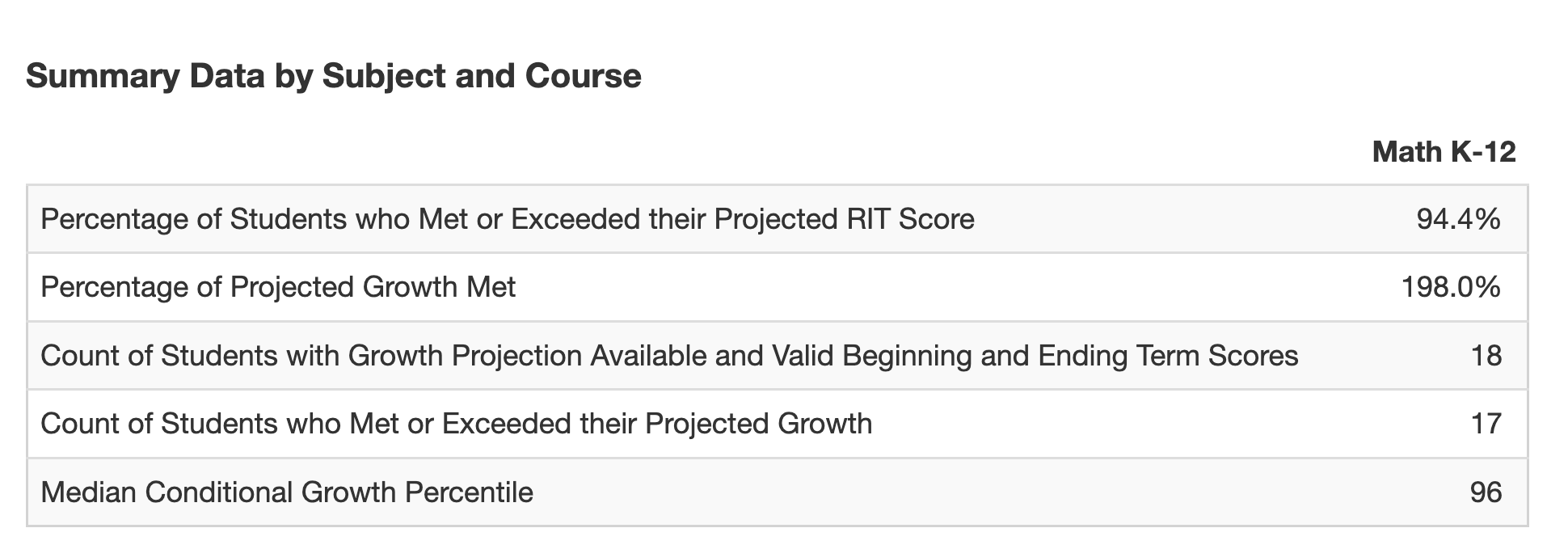
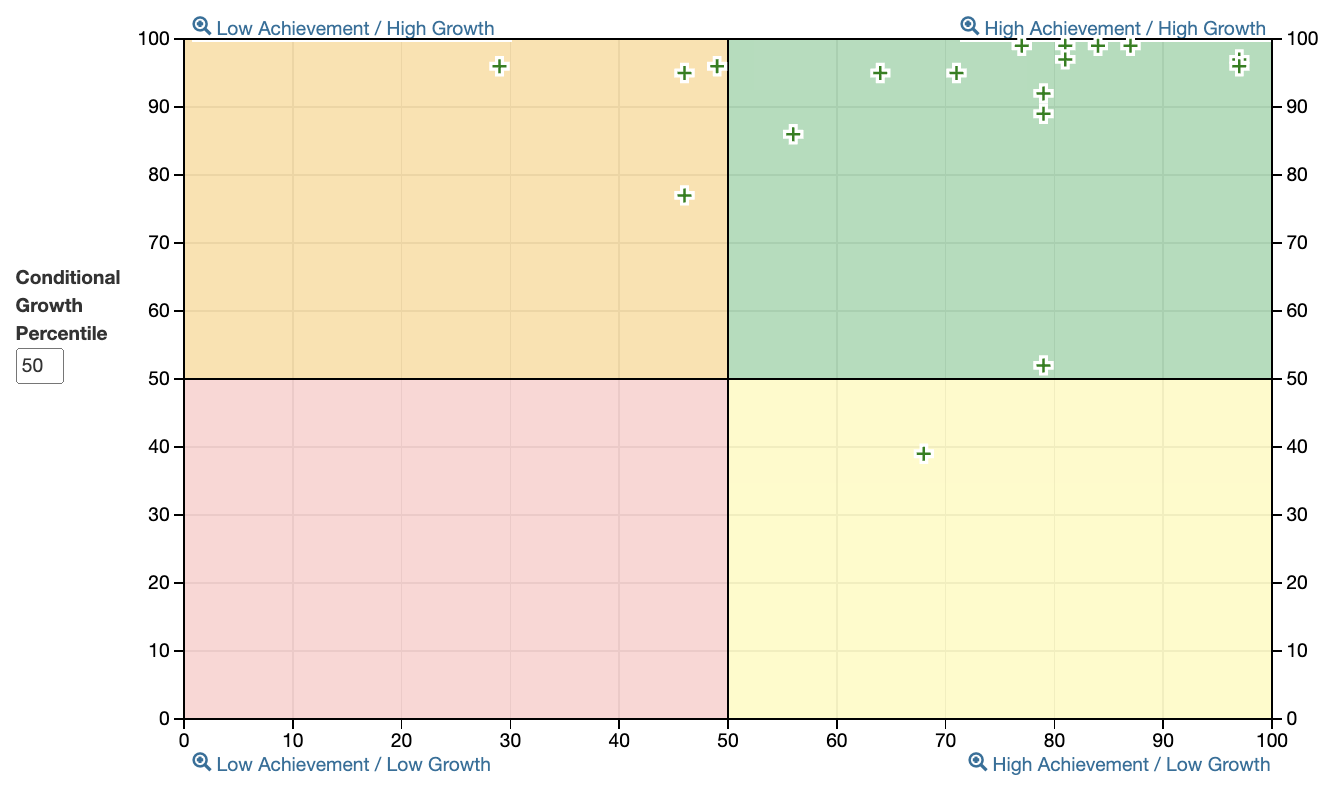
After using the tools and approaches in this post, I noticed real gains in student understanding and assessment scores. You can see our class MAP data below. More importantly, students felt proud of what they accomplished, and that’s what stuck with me most.
By combining Eureka’s structured lessons with a few creative and student-friendly tools, I saw big shifts in understanding and engagement. I’ve written about some of these before, but today I’m putting the full list in one place.
Secret Weapon #1: Zearn (Flipped Classroom Model)
Zearn is totally free, works perfectly with Eureka, and honestly feels like something you’d usually have to pay for. It’s full of engaging visuals and step-by-step lessons that help students understand concepts more clearly. Best of all, kids love it. Trust me… they’d choose Zearn over listening to my boring voice any day!
This year, I used Zearn in a flipped classroom setup. Students completed the next day’s lesson for homework, which meant they came in ready to go. I explained the system clearly at the start of the year, talked it through with parents, and tied it into our classroom economy. Every completed Zearn lesson earned students $50 in class money. That little incentive kept motivation sky-high.
Want to change things up this year? Try flipping your routine with Zearn.
Secret Weapon #2: Math Mystery Assessment Reviews
You know that collective groan students let out when they hear the word assessment? That’s the sound that inspired me to create the fictional world of Mathville, home to quirky characters like Sir Mathsalot, Kitty Purry, and Sheriff Subtraction. Each Math Mystery review features one of these characters facing a curious problem. Something has gone missing, and it’s up to your students to solve math problems, uncover clues, and crack the case.
In the Grade 3 Module 2 review, for example, they’ll help Stinky Pete figure out which pirate stole his ship by solving multiplication problems. In Grade 4 Module 3, they’ll work alongside Dr. Quantumblunder to stop a computer virus from spreading through Mathville. The stories are lighthearted, but the math is rigorous and students stay motivated from start to finish.
Here’s a look at how other teachers have used these mysteries in their own classrooms.
Secret Weapon #3: Spiral Reviews To Cover Earlier Content
Spiral Reviews became a quiet hero in our classroom. By the time end-of-year testing rolled around in May, it had been 8 months since students had worked on rounding in Module 1, 6 months since measurement conversions in Module 2, and 3 months since multiplication in Module 3. Still, they handled the “Number and Operations” section with confidence, and 60 percent of them scored in the 80th percentile or above.
Breakdown of Achievement Percentile: Blue = 80th and above, Green = 61-80, Yellow = 41-60, Orange = <20
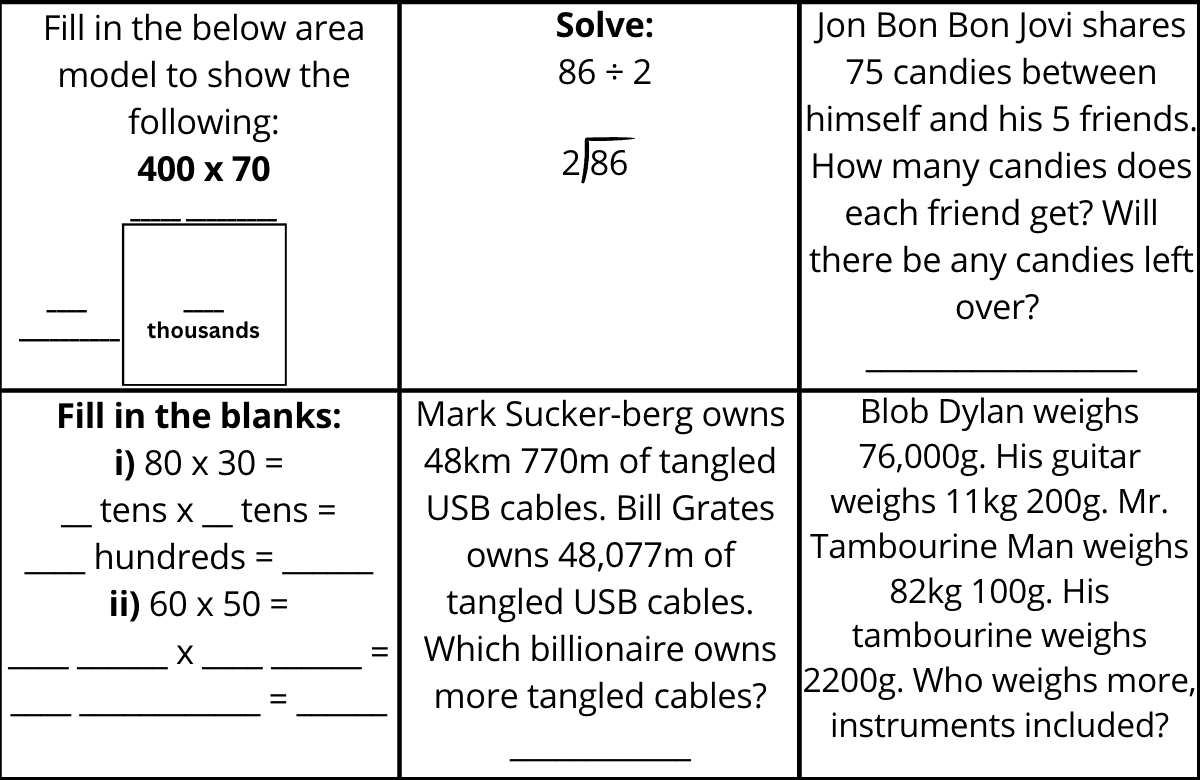
That kind of long-term retention does not happen by luck. Each morning, students warmed up with short, skill-packed problems that pulled from both current and earlier modules. These were not the usual worksheet yawners either. We incorporated our usual wacky characters into problems, keeping things playful and unexpected. When students are having fun and enjoying their work, learning is so much deeper. Take a look below to see how we mix humor with rigor across concepts.
Whether you use them to start the day, send home for practice, or revisit tricky concepts, Spiral Reviews offer a flexible way to keep learning on track. With so much content to retain, it’s been helpful to have something that touches on earlier modules in a fun and meaningful way.
Take a look at what other teachers have said about them:
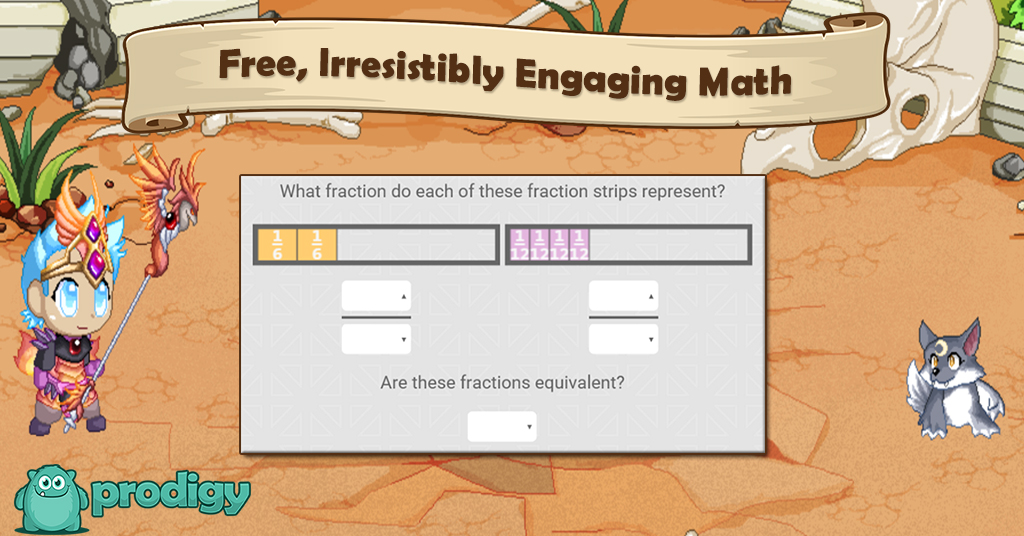
If you’ve heard of Prodigy, you might be thinking, “Isn’t that the game where kids just run around and avoid doing math?” That can happen, but only if expectations aren’t made clear. In our classroom, Prodigy is a privilege. When used well, it’s a powerful tool for math practice. The platform offers strong tracking features and lets you align questions to your state assessments like CAASPP, STAAR, MAP, or MSA. With a little teacher input, it becomes a smart way to keep students engaged in targeted practice.
If this were a blog post about boosting ELA scores, I would go into further detail about the amazing Prodigy English game. However, since we’re focused on math, I’ll let you discover the benefits of Prodigy English on your own!
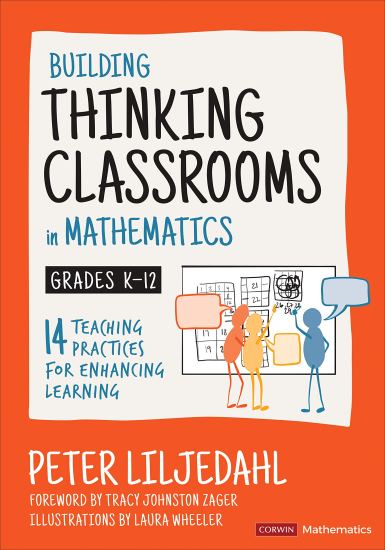
Secret Weapon #5: Building Thinking Classrooms
I’ll be honest, I’m the kind of teacher who side-eyes anything that isn’t backed by solid research. After watching schools jump into trendy programs (and then scramble when they don’t work), I try not to fall for the next big thing. That said, Building Thinking Classrooms really got me thinking.
While it’s still light on large-scale research, what I saw in my own classroom was hard to ignore. BTC got my students talking, thinking, and solving problems in new ways. If you want to read about how I brought BTC to life in my classroom, take a look at Part 1 of my blog series on the topic here.
Honorable Mention #1: Module Brochures
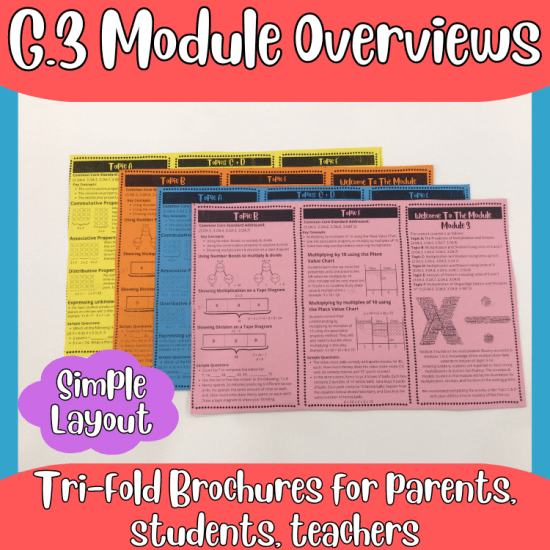
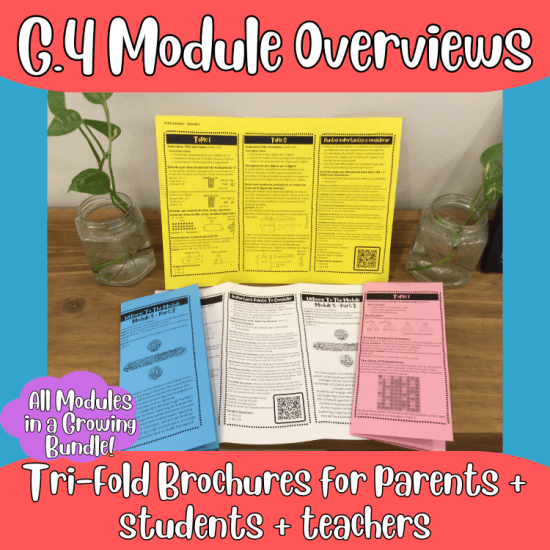
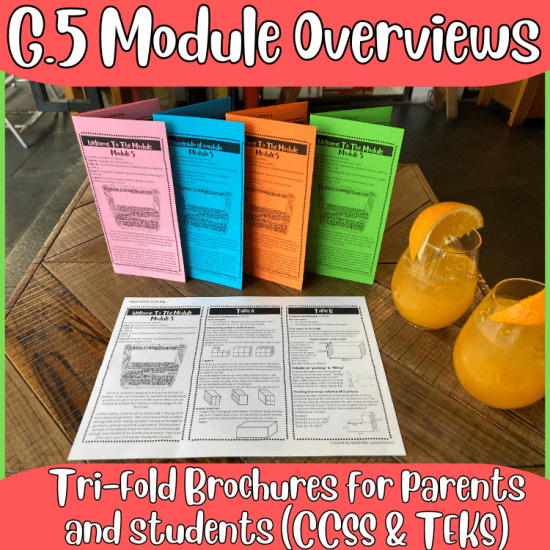
Developing conceptual understanding is at the heart of the Eureka program. Parents might grumble that Eureka spends too much time exploring the same concepts in different ways. “Why can’t we just teach multiplication the way I learned it? What’s the deal with the area model?”
Explaining the “why” behind Eureka to parents can be tough. That’s why we created the parent-module brochures. These were a hit at orientation night and served as a handy reference for parents throughout the year. The brochures helped outline the program for both teachers and parents. While I can’t directly link high MAP scores to these brochures, I know parents appreciated being kept in the loop. We have two formats (Common Core and TEKS), both available in English and Spanish. Digital versions are also included to send home via Seesaw, email, etc.
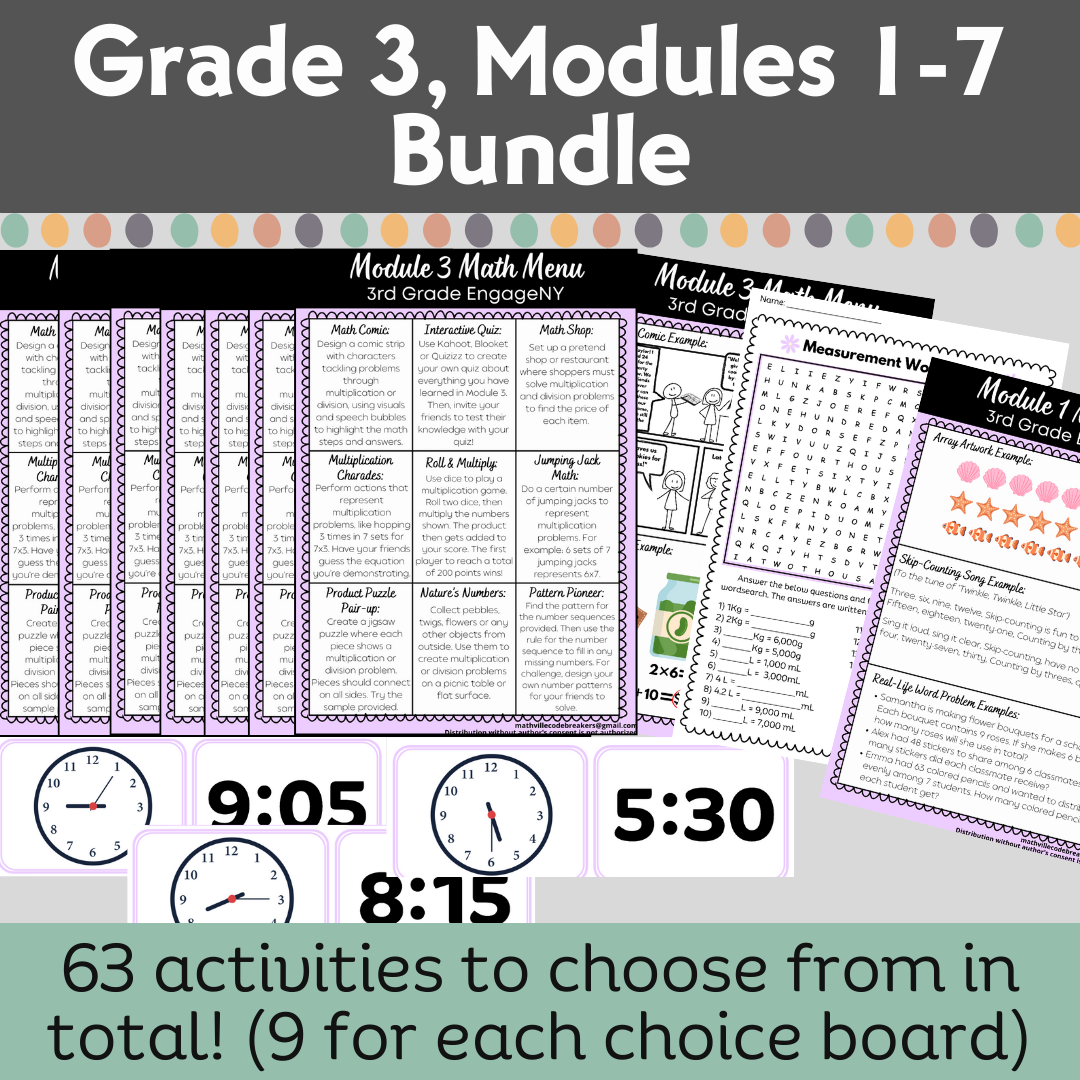
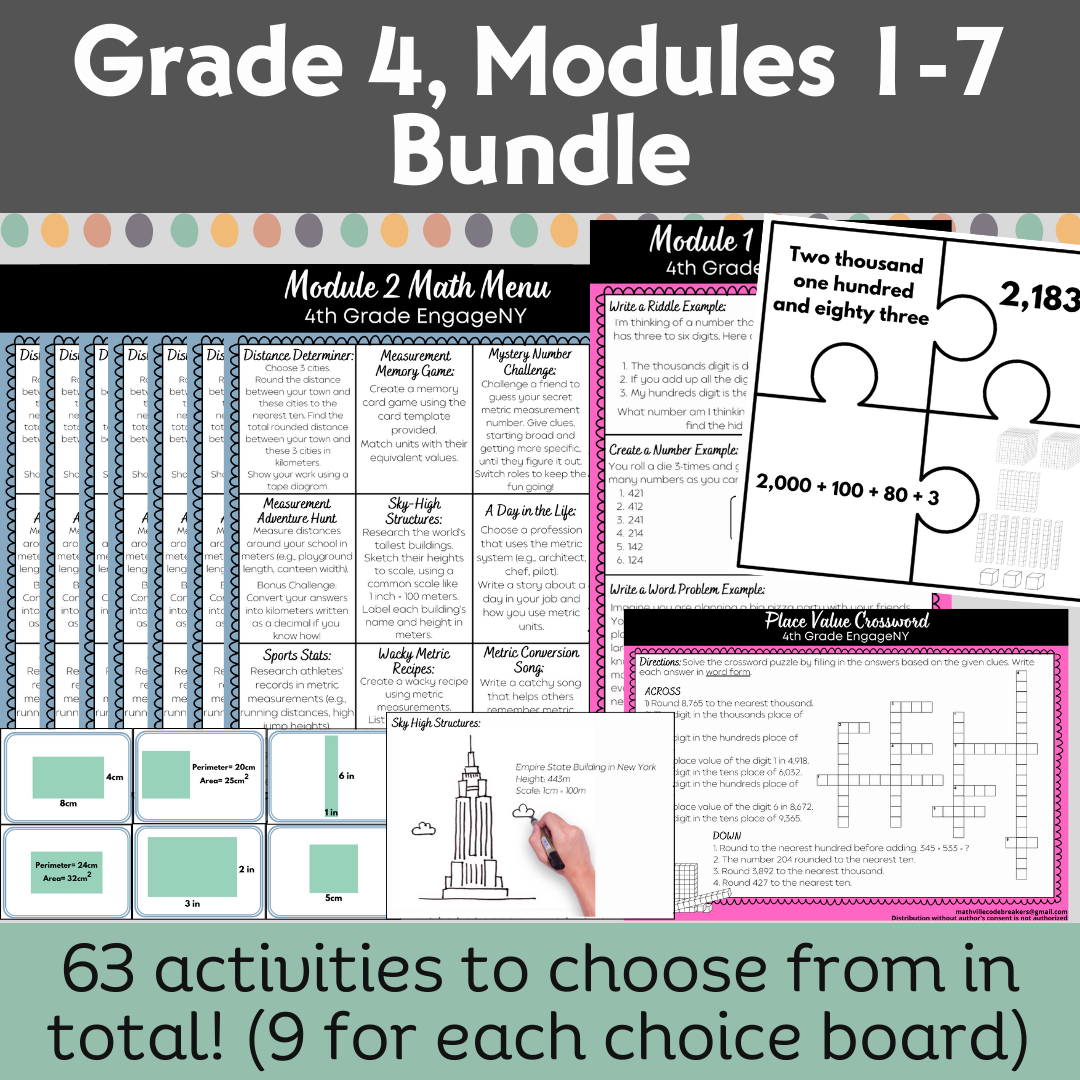
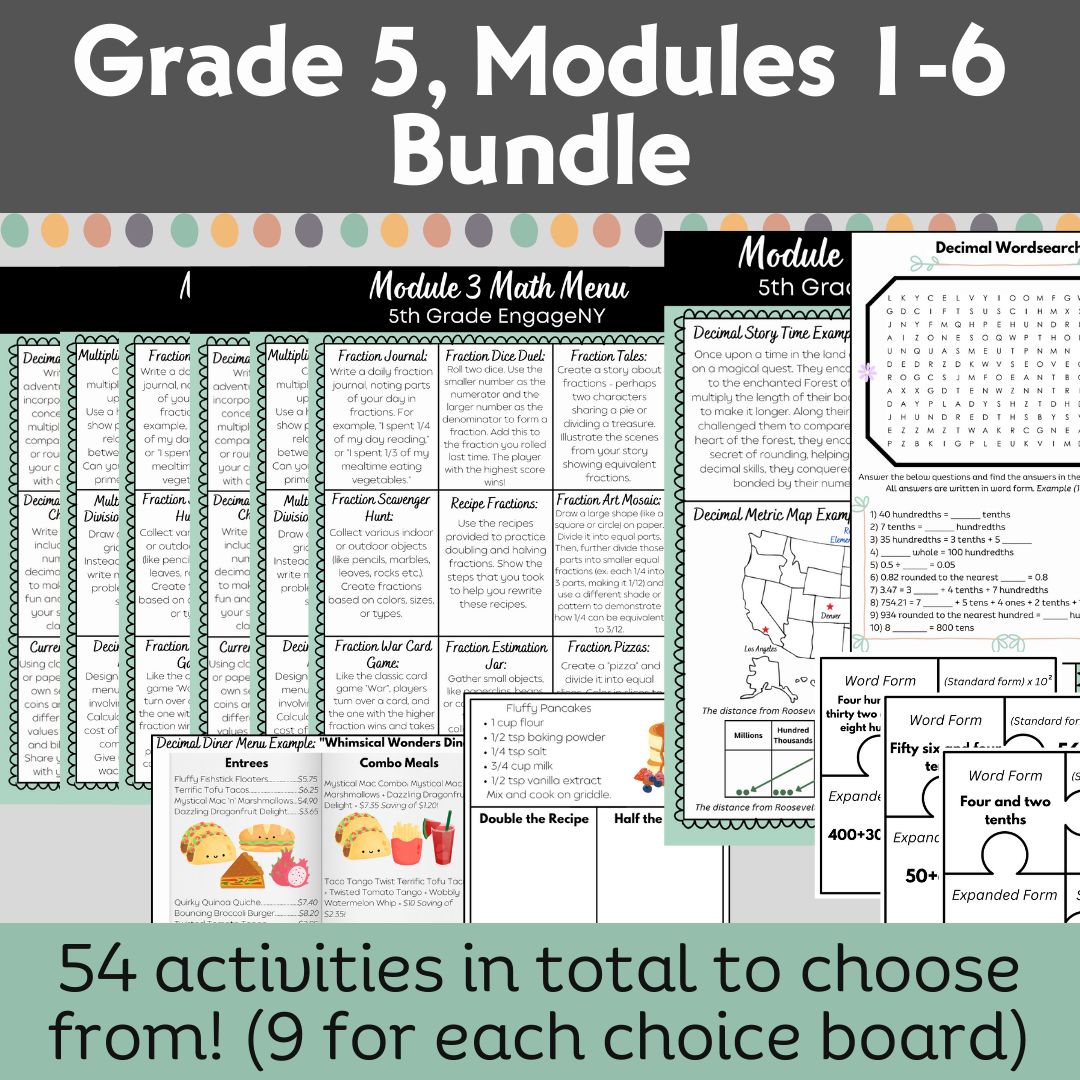
Ever found yourself wondering what to do with those speedy students who finish their Problem Sets 20 minutes before everyone else? The Module-Aligned Choice Boards are the perfect solution. Fast finishers won’t disrupt your small-group instruction once you introduce these choice boards.
The activities are module-aligned and reinforce skills in an engaging, creative way. With a variety of activity types (artistic design, puzzles, research reporting, team games, etc.), there’s something fun for every student.
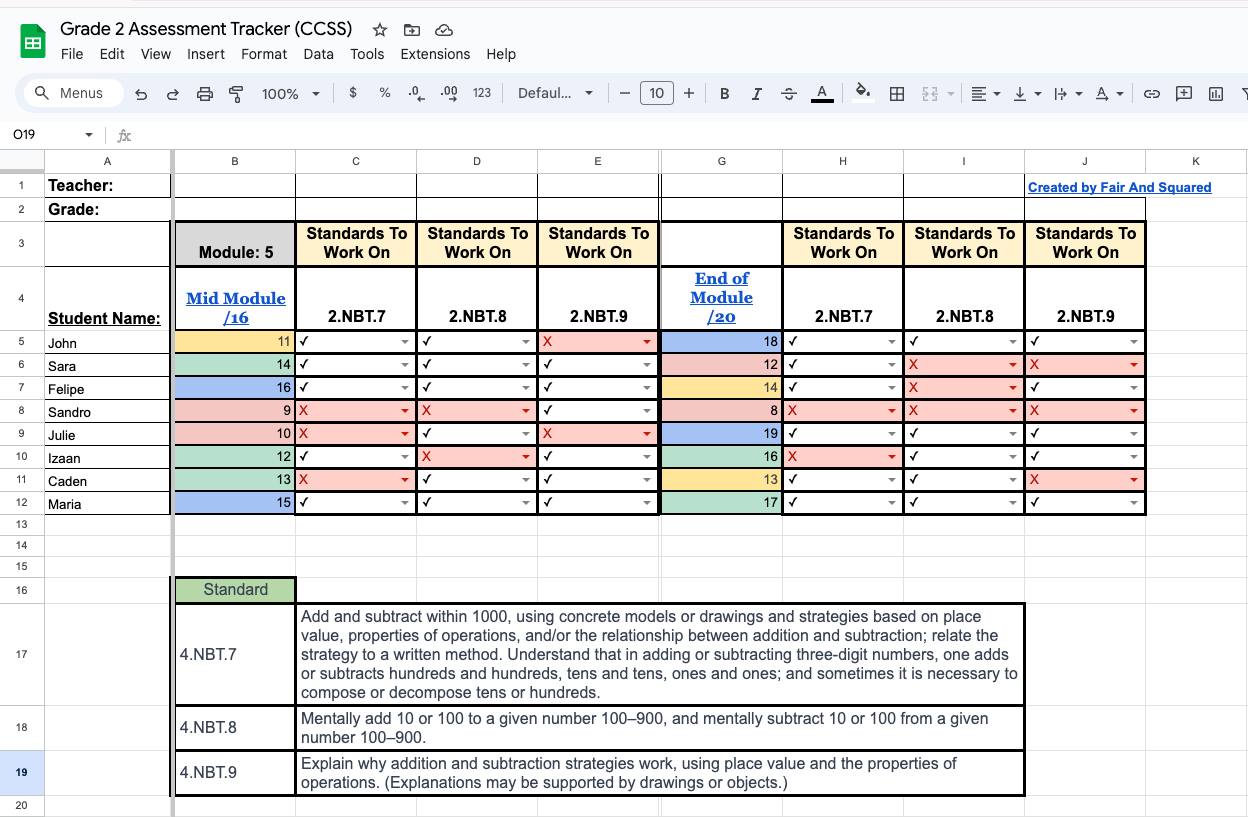
Data and organization come together for our final honorable mention. This simple tool made report writing so much easier and gave admin a clear snapshot of our Grade 4 progress. It tracks mid- and end-of-module assessments, with color-coded cells to show where students are performing: above, at, approaching, or below grade level. You can also mark whether each standard has been met. Combine this with your targeted practice, and you’ve got a powerful system to support student growth.
The best part? These gradebooks are free to download. Just grab the one you need from the links below.
Eureka is a stellar program. Just following the lesson script usually yields great outcomes. But the “secret weapons” I’ve shared are how I’ve built on Eureka’s solid framework by adding a touch of excitement and fun. If you’d like to keep updated on all of our future tips and resources, follow our TpT store.
I’d love to know how you’ve implemented any of these ideas or how you’re planning to use them this year! Let me know in the comments box!








 Fair and Squared Blog Spot